Endotoxin testing, extractables and leachables, material characterization, and trace-metal analysis to support your biocompatibility and regulatory submissions.
Chemical characterization and extractables/leachables data to feed your ISO 10993-18 risk assessment.
Bacterial endotoxin (LAL) testing on devices, components and rinse solutions.
Polymer and metal ID, plus surface and particulate analysis when something looks wrong.
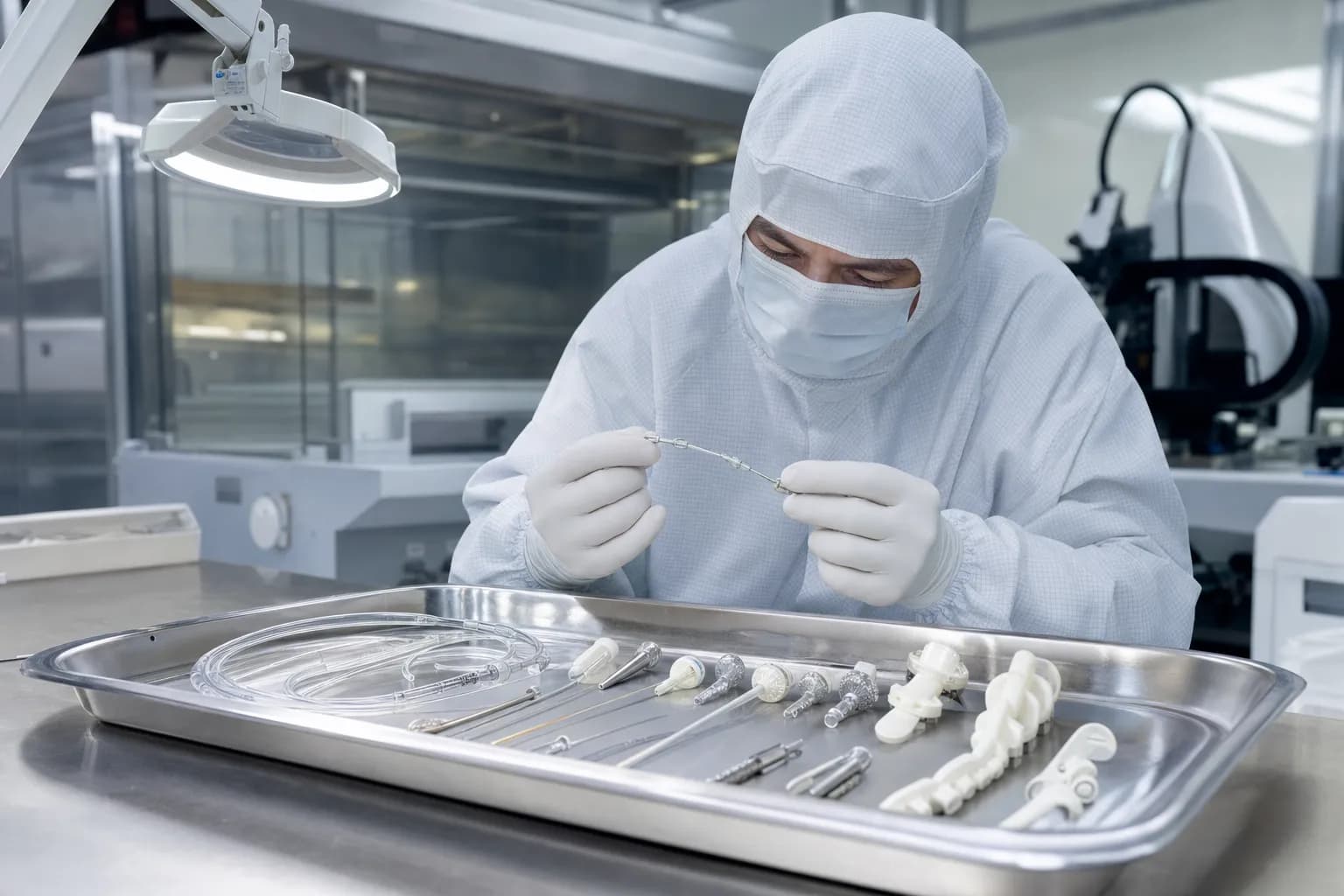
From material selection through design verification and ongoing lot release, IAS provides the chemistry that underpins device safety and regulatory submissions.
We characterize the materials your device is made of, quantify what could migrate out of them, and verify cleanliness and trace-metal content — then document it for your file.
Single components, finished devices, or recurring lot-release work are all welcome, with or without a standing account.
Our chemical characterization, endotoxin and material-ID work is structured to feed recognized biocompatibility and quality frameworks.
| Test / Analysis | Typical method | From |
|---|---|---|
| Bacterial endotoxin (LAL) | Kinetic / gel-clot | $140 |
| Extractables / leachables study | GC-MS · ICP-MS | Call to quote |
| Polymer / material identification | FTIR | $135 |
| Surface & particulate analysis | SEM/EDS | $325 |
| Trace metals on device material | ICP-MS | $190 |
Implants, instruments, tubing, connectors and packaging.
Simulated-use extracts and final rinse waters.
Polymers, elastomers, coatings and metals before they enter the build.
Yes. We generate extractables/leachables and elemental data structured to support your ISO 10993-18 chemical characterization and the toxicological risk assessment built on it.
We do — LAL endotoxin testing on devices, components and rinse solutions, including support for routine lot release.
Yes. FTIR identifies polymers and organics while SEM/EDS images and analyzes surfaces, coatings and particulate contamination.
No. One-off submissions are welcome — useful for failure investigations or qualifying a new material.
Novel material, an odd particulate, a cleaning-validation rinse, or a one-off failure investigation — we will scope a custom approach for any device chemistry challenge, no standing account required.
Tell us where you are in the lifecycle and we will recommend the right characterization and release testing.